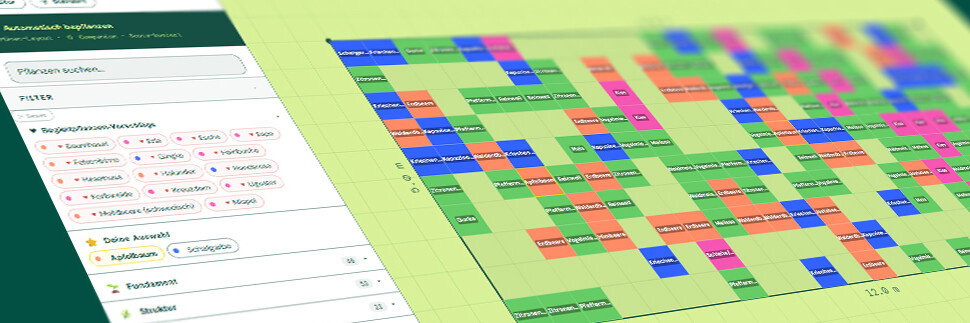
Promotion on the First Weekend in May
After several months of intensive development, we’d love for as many people as possible to try out the planner. That’s why you can try it for free from today through May 3.
Go to the Agroforestry Planner
If you miss the promotion period, that’s no problem:
Access currently costs €50 per year. 100% of the fee goes toward the protection and conservation of nature.
Or maybe you already know the answer to our contest question and want to secure your chance to win one of three free subscriptions?
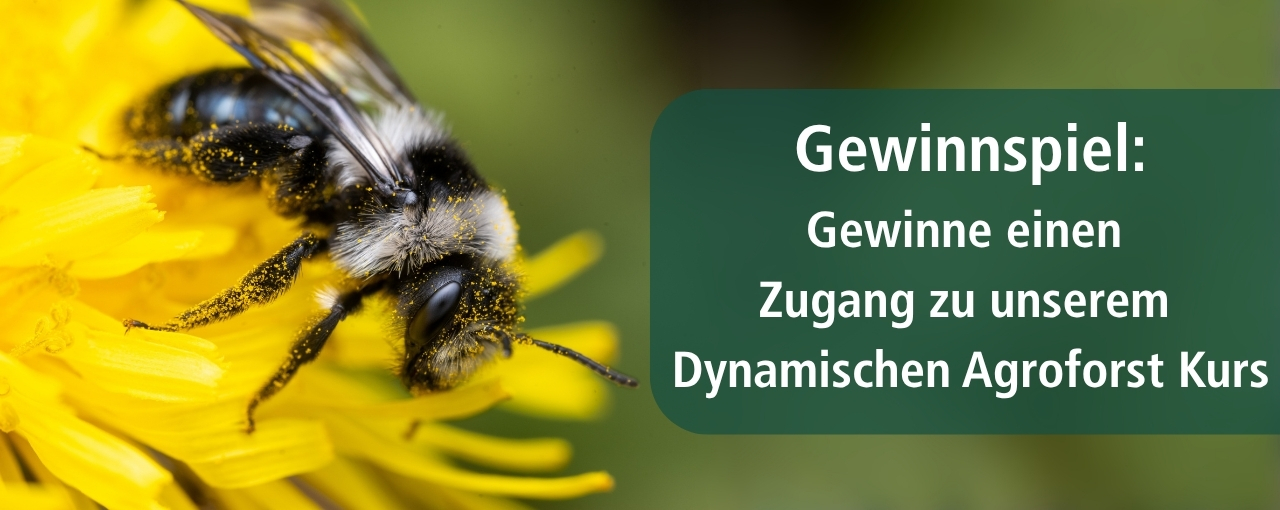
Estimate the number of wild bees & win free access
Are you familiar with wild bees? There are around 560 species in Germany—and nearly half of them are already on the Red List.
In 2024, doctoral candidate Mareike Rest studied the occurrence of wild bees, comparing agroforestry systems with conventional crop farming. Her findings are clear: Significantly more wild bee species live in agroforestry systems—and dynamic agroforestry has the greatest diversity of species and individuals compared to simple agroforestry systems.
Our question for you:
How many wild bee species were recorded in dynamic agroforestry?
Enter the contest
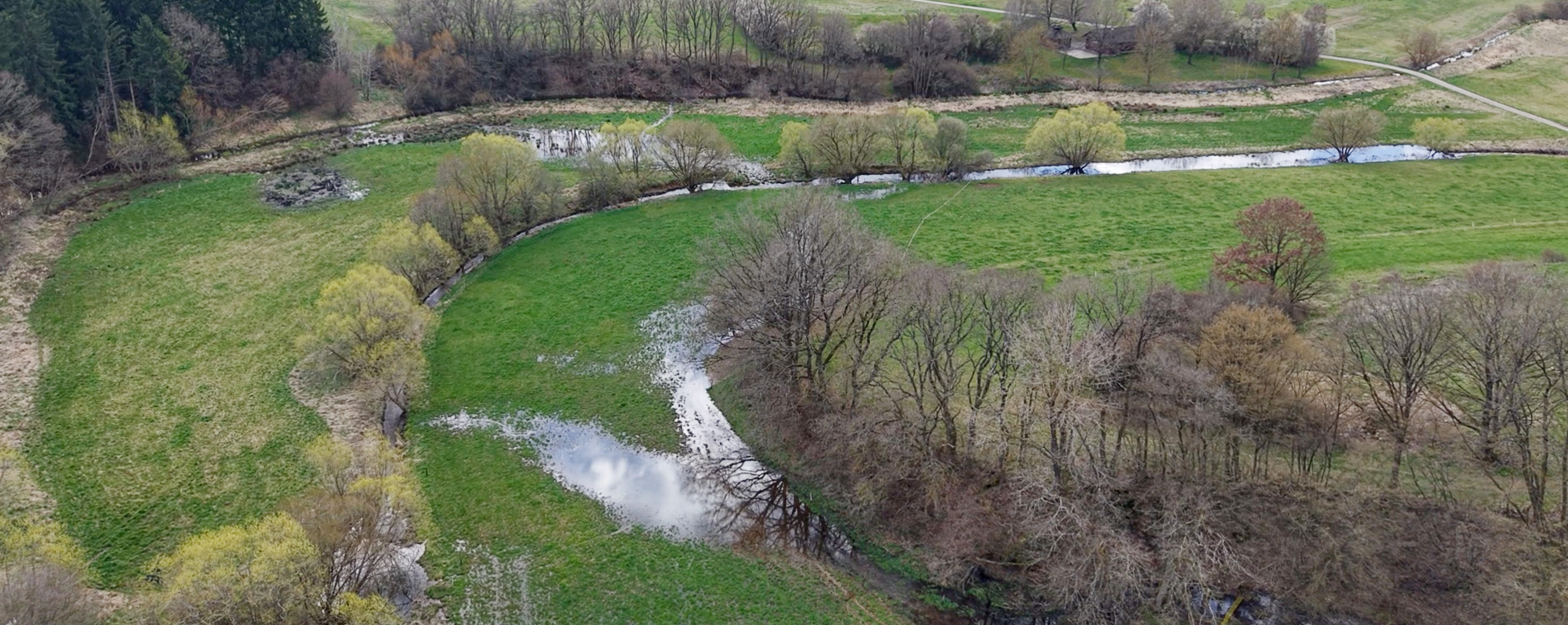
Beavers are creating new aquatic habitats - Watch the video
The water splashes softly; small streams wind through the meadows, and step by step, new aquatic landscapes take shape. These are places that fascinate—and show just how powerfully nature can unfold.
But where beavers are at work, it’s not just valuable habitats that emerge. For farmers, this also presents challenges: waterlogged fields, machinery getting stuck, and more difficult harvests. Here, nature conservation and land use come into direct conflict.
In our new video, we take you to Steinbach in the Hunsrück, where beavers have been shaping a wetland for the past two to three years. We explore the question: How can humans and beavers coexist successfully? What solutions are available for farmers and landowners?
Join us on-site and see how everyone is working together to find solutions.
Beavers & Water Landscapes
We wish you sunny days and send
warm regards,
Your Naturefund Team